THE THEATRE
Three pauses per operation
The WHO Surgical Safety Checklist has 19 items, checked by the whole team before anaesthesia, before the first incision and before the team leaves the operating room.
See the numbers doodlecheck.
WHAT THE EVIDENCE SAYS
Experts forget steps too. A short list catches them.
The World Health Organization's surgical checklist asks a whole team to stop at three moments and confirm the basics. UK aviation guidance shows how to design lists people will actually use under pressure.
Fix a checklist Read the short answer
THE SHORT ANSWER
Checklists do not replace skill.
They make sure the basics happen every time.
THE THEATRE
The WHO Surgical Safety Checklist has 19 items, checked by the whole team before anaesthesia, before the first incision and before the team leaves the operating room.
See the numbersTHE COCKPIT
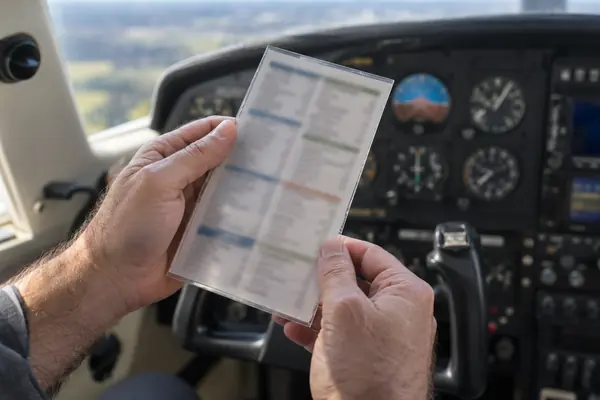
The UK Civil Aviation Authority warns that long or confusing procedures make crews cut corners, skip items or ignore the checklist altogether.
Fix a checklistAT HOME
The same ideas work on any list: number the steps, keep it short, make it easy to read and re-check after an interruption.
Write your ownA QUICK CHECKLIST CHECK
Pick a common checklist problem to see the fix that UK aviation guidance recommends. The bar shows how big a change the fix asks for.
Based on the CAA's CAP 676, written for emergency and abnormal checklists on the flight deck. The design ideas carry over to everyday lists.
TWO NUMBERS WORTH KNOWING
From the 2009 WHO study in eight hospitals,
including one in London, before and after the checklist.
DEATHS · NEJM 2009
Inpatient death rate after surgery
1.5 → 0.8<small>%</small>
In 3,733 patients before and 3,955 after the checklist was introduced, the death rate fell from 1.5% to 0.8%.
COMPLICATIONS · NEJM 2009
Inpatient complication rate
11 → 7<small>%</small>
Complications fell from 11.0% of patients to 7.0%. WHO describes this as a reduction of more than one-third in deaths and complications across the pilot hospitals.
The study compared outcomes before and after the checklist, so it shows an association. WHO notes that later studies, including a randomised trial in Norway, also found fewer complications.

FOUR RULES FOR ANY LIST
These rules come from aviation guidance on checklist design, and they work as well for a packing list or a shutdown routine as on a flight deck.
WHY IT WORKS
WHO suggests the benefit has several sources: the checklist, the formal pauses, and better teamwork and communication. Studies have reported staff more likely to speak up when they notice a problem.
Results were better when the checklist was completed in full. And a mandatory roll-out in Ontario with no measured benefit taught WHO that simply telling people to use a checklist will not work: it takes training, local champions and adaptation.
QUESTIONS PEOPLE ASK
It has 19 items covering key safety checks, done by the surgeons, anaesthesia providers and nurses together at three moments: before anaesthesia, before the first incision and before the team leaves the operating room.
In the 2009 study in eight hospitals, deaths fell from 1.5% to 0.8% and complications from 11.0% to 7.0% after it was introduced. It was a before-and-after study, so it shows an association, and later studies reported similar benefits.
WHO says many hospitals already do most of the checks, but very few operating teams do them all consistently. The checklist helps make sure every step happens for every operation.
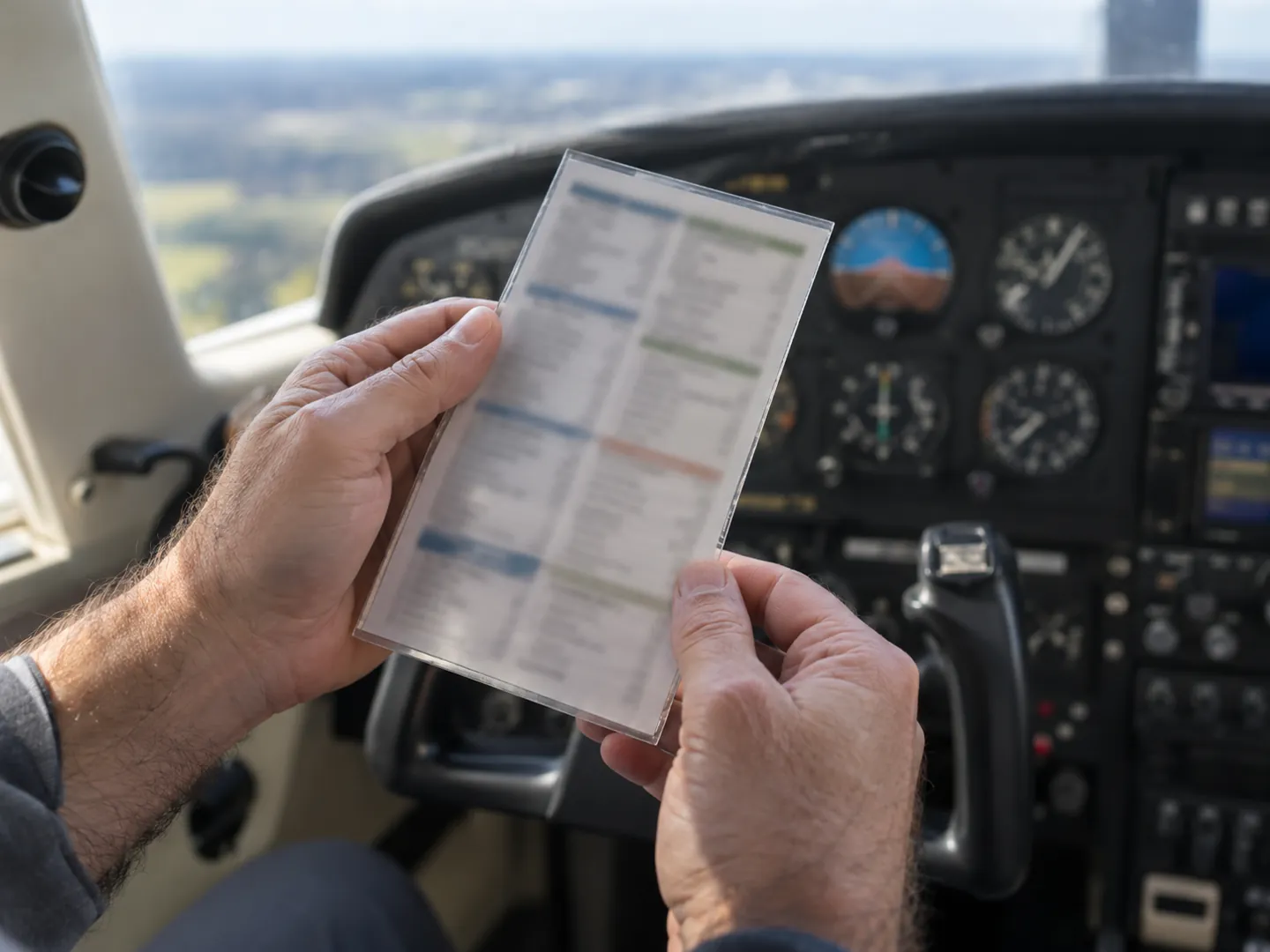
As short as it can be while still useful. The CAA warns that long or confusing procedures lead people to cut corners or ignore the list, and suggests keeping memory items to four or fewer.
Yes. WHO encourages adapting its checklist to local settings after consultation, and lists local adaptation, training and feedback among the factors behind successful use.
SOURCES
Each figure on this page comes from the sources below. Check them for the full detail and context.